
Blog
-

Listening to the Wolves of Yellowstone
Discover how The Cry Wolf Project is using AI models, including those developed by Earth Species Project, to analyze thousands of hours of wolf recordings from Yellowstone, investigate wolf communication and behavior, and explore new approaches to conservation.
-
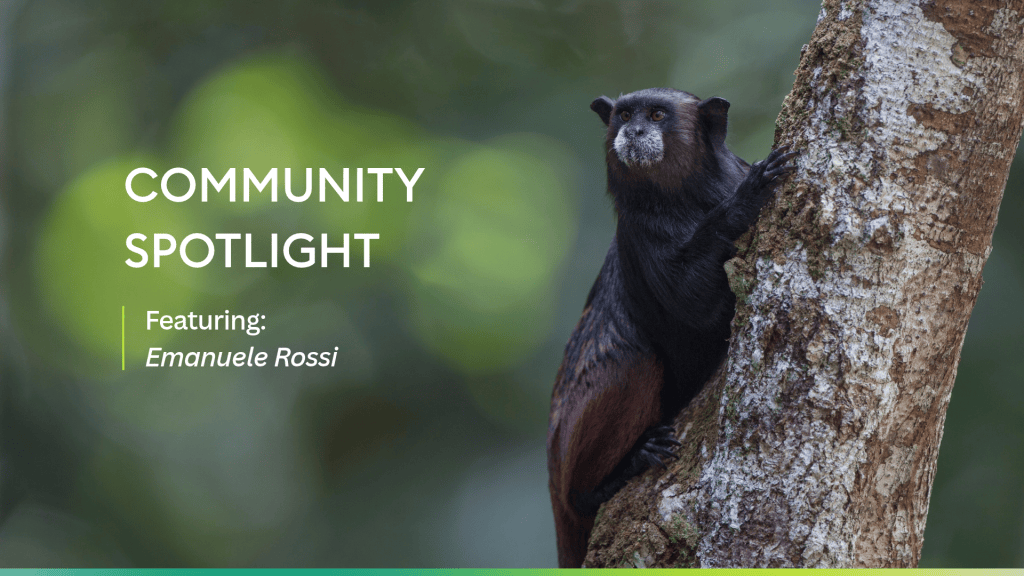
What if a Model Knows More Than it Can Say?
Discover how researchers used model merging to unlock capabilities already present in NatureLM-audio and improve its ability to generalize to species it had never encountered during training.
-
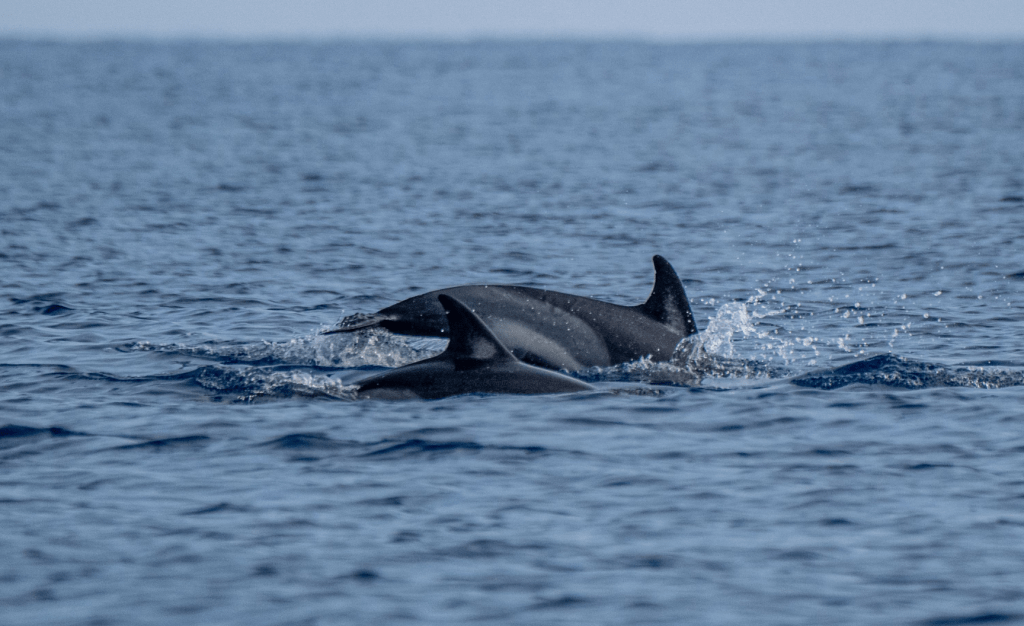
Meet the Researchers Unlocking the Future of Animal Communication Research
Not every bee that visits a flower pollinates it. Discover how researchers are using machine learning and the sounds bees make to identify their ecological roles, opening new possibilities for monitoring pollination at scale.
-

BirdCODE: Scaling Zero-Shot Sound Event Detection for Bioacoustics
Meet BirdCODE, a new deep learning model that can detect and classify vocalizations across more than 9,000 bird species. Discover how applying it to over one million recordings is opening new ways to study vocal behavior at scale.
-

Not All Bees Pollinate: Using Machine Learning to Predict Ecological Roles
Not every bee that visits a flower pollinates it. Discover how researchers are using machine learning and the sounds bees make to identify their ecological roles, opening new possibilities for monitoring pollination at scale.
-
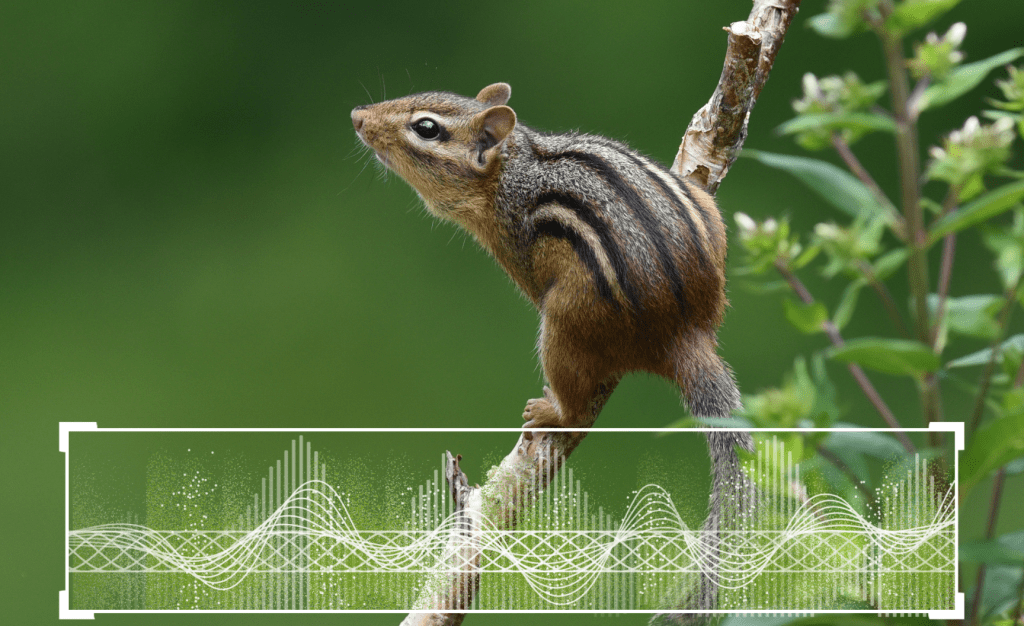
Introducing alp-data: A Shared Data Layer for Animal Language Processing
Bioacoustic data is growing rapidly, but working across datasets can require significant time and engineering. Meet alp-data, our open-source Python library giving unified access to 35+ bioacoustic datasets, from birdsong to whale calls to the hum of insects, through one consistent interface.
-

From Frog Calls To Global Conservation: Scaling Citizen Science With AI
Citizen science is generating more biodiversity data than researchers can analyze by hand. Discover how machine learning is helping turn hundreds of thousands of frog recordings into useful ecological information, with the potential to make large-scale biodiversity monitoring faster and more effective.
-

Our 2025 Annual Report: A Year of Momentum for Interspecies Understanding
2025 marked a year of significant progress Animal Language Processing. Explore the research, tools, and collaborations moving us closer to understanding other species and transforming our relationship with the rest of nature.
-

From What to Who? AI Learns to Recognize Individual Animals
Understanding animal communication means knowing not just what species is calling, but who is speaking. Discover how researchers are using machine learning to recognize individual zebra finches in the wild, opening new ways to study their social lives and communication networks.
-
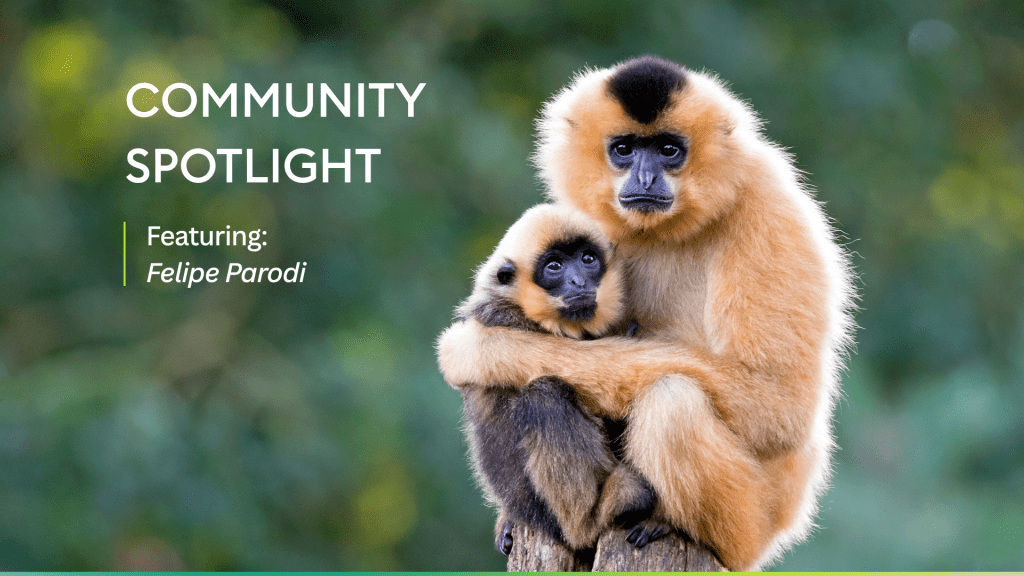
What Can a Primate Face Tell Us? A Scalable Approach to Studying Facial Expressions
A glance, lip-smack, or subtle shift in expression can reveal clues about a primate’s social world. Discover how PrimateFace is helping researchers analyze facial communication across species at a scale that was previously impossible.