
Blog
-
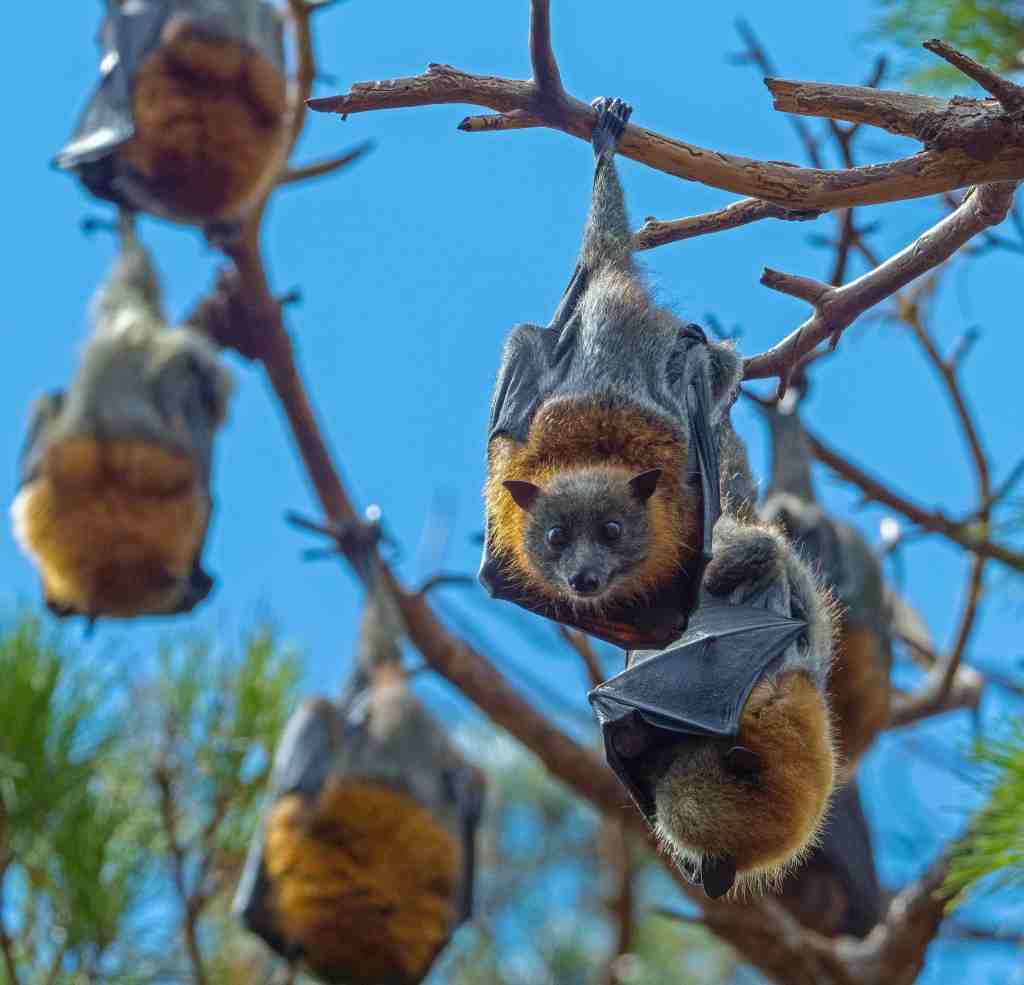
Finding the signal in the noise: How machine learning can help us perceive, understand, and protect other species
Sara Keen, Senior Researcher, Behavioral Ecology and AI reflects on how machine learning can help us find the signals in the noise and decipher meaning from the world of invisible information that surrounds us.
-
ESP Technical Roadmap
We provide an overview of ESP’s technical roadmap – offering a path forward for our proposed and ongoing scientific work, which is focused on using AI to decode non-human animal communication.
-

Using AI to Listen to All of Earth’s Species: New insights from the field
Jane Lawton, Director of Strategic Impact, reflects on the insights shared by Dr. Karen Bakker, Dr. Ari Friedlaender and Aza Raskin at ESP’s panel discussion on interspecies communication in San Francisco – from how sophisticated the communication systems of other species are, to the explosion of new bioacoustic technologies and AI that see us on…
-
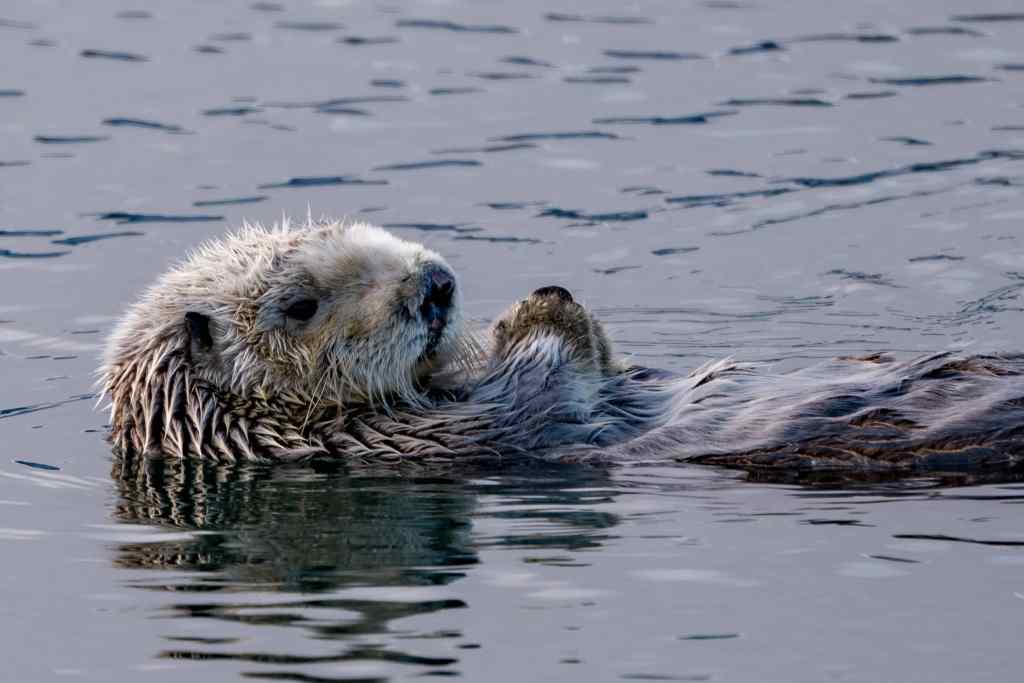
Turning Motion into Meaning: the ESP journey to becoming Nat Geo Explorers
Katie Zacarian, former CEO, Earth Species Project, reflects on the ESP journey to receiving a National Geographic Explorer grant. The project we have received funding for is focused on developing machine learning models to interpret animal motion data gathered on powerful animal-borne sensors, and it represents an important step on the journey toward decoding animal…
-
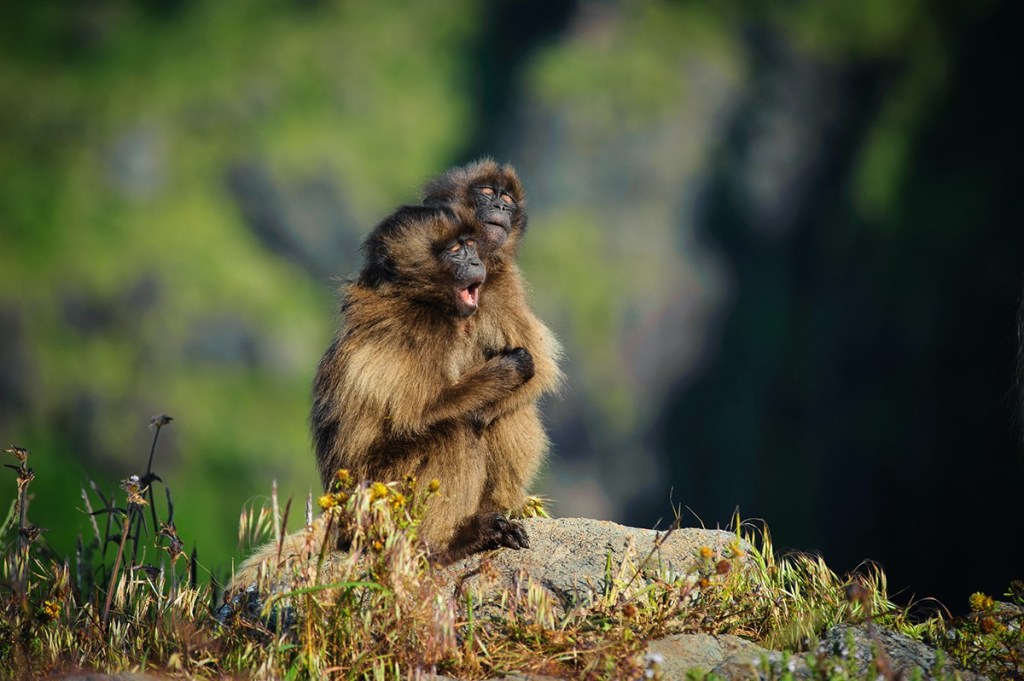
Solving the cocktail-party problem
In December 2021, we published our first scientific paper in the peer-reviewed journal Scientific Reports. This publication focuses on automatic source separation so that researchers are more easily able to distinguish between animal vocalizations when more than one animal is “speaking” at the same time. The research was the outcome of a close collaboration with…
-
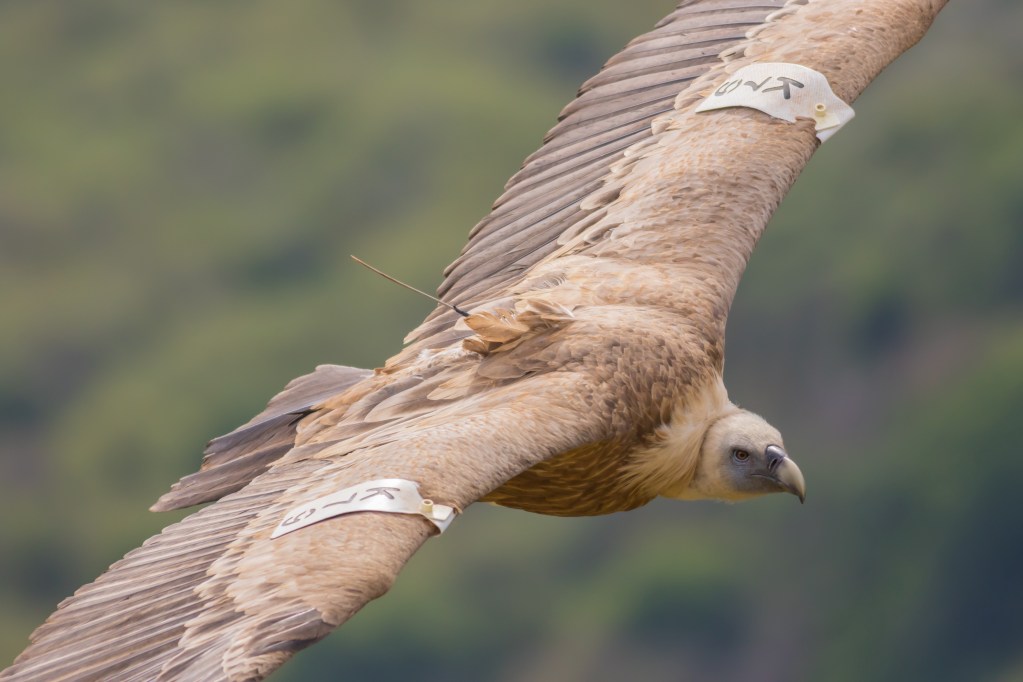
Self-Supervised Ethogram Discovery
Senior AI research scientist Benjamin Hoffman is working on self-supervised methods for interpreting data collected from animal-borne tags, known as bio-loggers. Using bio-loggers, scientists are able to record an animal’s motions, as well as audio and video footage from the animal’s perspective. However, these data are often difficult to interpret, and there is often too…