
Blog
-
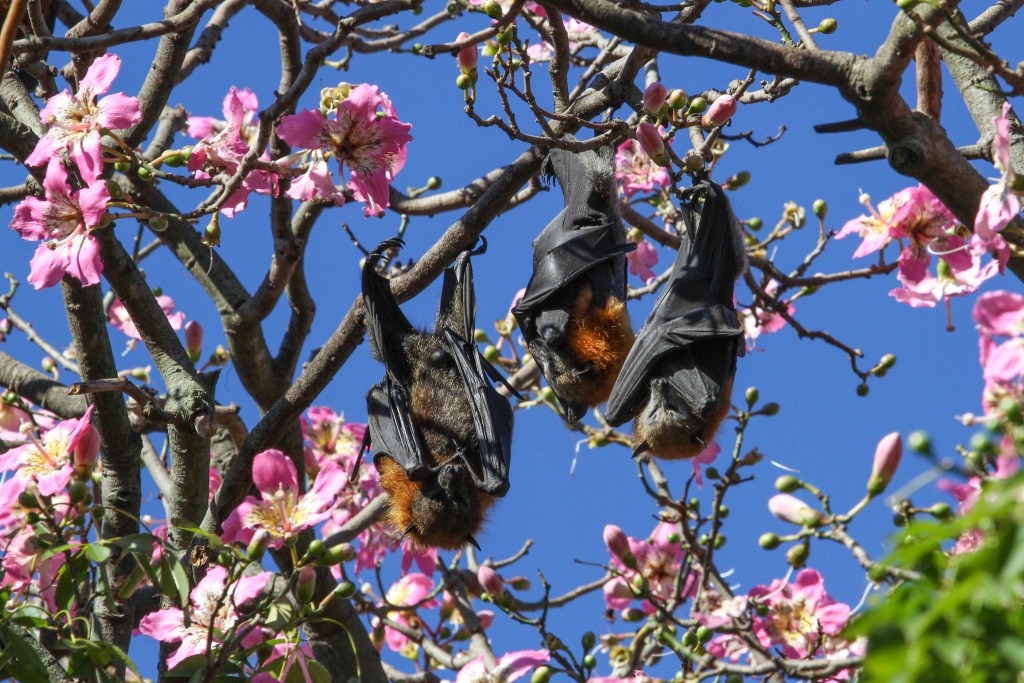
Introducing NatureLM-audio: An Audio-Language Foundation Model for Bioacoustics
NatureLM-audio analyzes complex animal vocalizations across thousands of species with simple, natural language prompts. With state-of-the-art performance on novel benchmarks, it tackles bioacoustics tasks like species classification, life-stage prediction, and even audio captioning, opening up powerful new possibilities for animal communication research.
-

Earth Species Project Secures $17M in Grants to Apply Frontier AI To Decoding Animal Communication
Reid Hoffman and Waverley Street Foundation grants will drive significant AI-fueled animal communication breakthroughs and catalyze a deeper connection to the natural world
-
Field Notes: Defining Decode
Sara Keen, Senior Research Scientist in Behavioral Ecology and AI, reflects on a pivotal gathering at the Santa Fe Institute titled “Animals in Translation: Creating Criteria and Frameworks for Decoding Communication in Other Species.” Joined by a diverse group of researchers, writers, and artists, the event aimed to define standards for successfully deciphering non-human communication…
-

Introducing BirdAVES: Self-Supervised Audio Foundation Model for Birds
Senior AI Research Scientist Masato Hagiwara announces the release of BirdAVES—a series of self-supervised animal vocalization encoder models specifically designed for birds. BirdAVES achieves a remarkable 20+% improvement in performance across bird-related datasets and tasks compared to the previous AVES model.
-
Using AI to Understand Animal Communication
We’re thrilled to announce that we have just received significant new funding of $1.2 million from the Paul G Allen Family Foundation to support development of technologies that will reconnect us to nature.
-

Voxaboxen: New Tool Supports Annotation of Large Audio Files
ESP Senior Research Scientists Benjamin Hoffman and Maddie Cusimano announce the release of Voxaboxen, a new machine learning tool for research in bioacoustics. Based on Earth Species Project’s bioacoustics foundation model AVES, Voxaboxen is designed to detect and classify animal vocalizations in recorded audio, with the high level of temporal specificity that is required for…
-
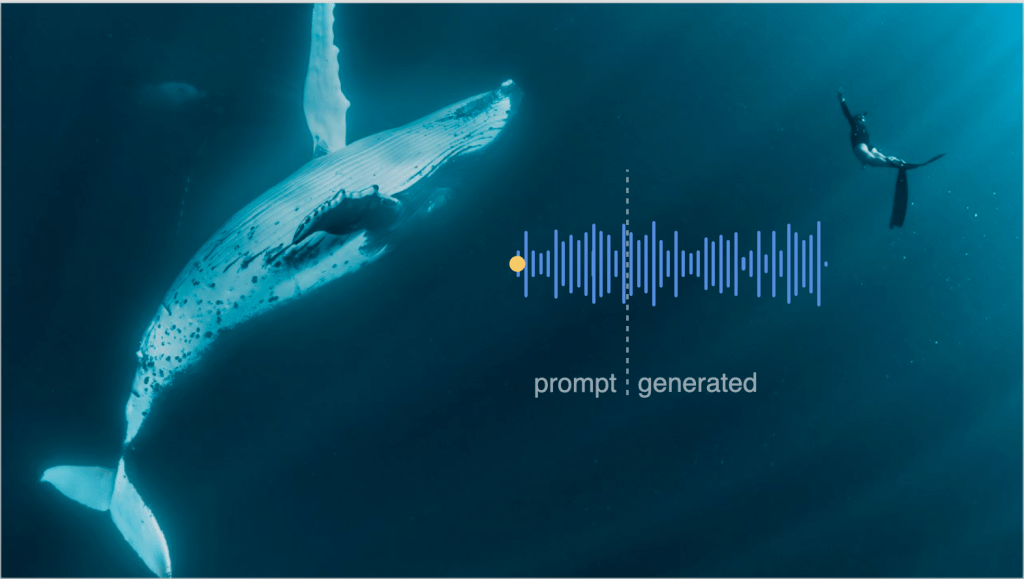
New grants to catalyze research into AI and non-human communication
While scientists have been studying the behavior and communication of other species for decades, the use of AI to help accelerate these discoveries is relatively new. In partnership with FootPrint Coalition (FPC), Robert Downey Jr’s initiative to accelerate technologies for sustainable abundance, and the Experiment Foundation, ESP is thrilled to announce the launch of a…
-
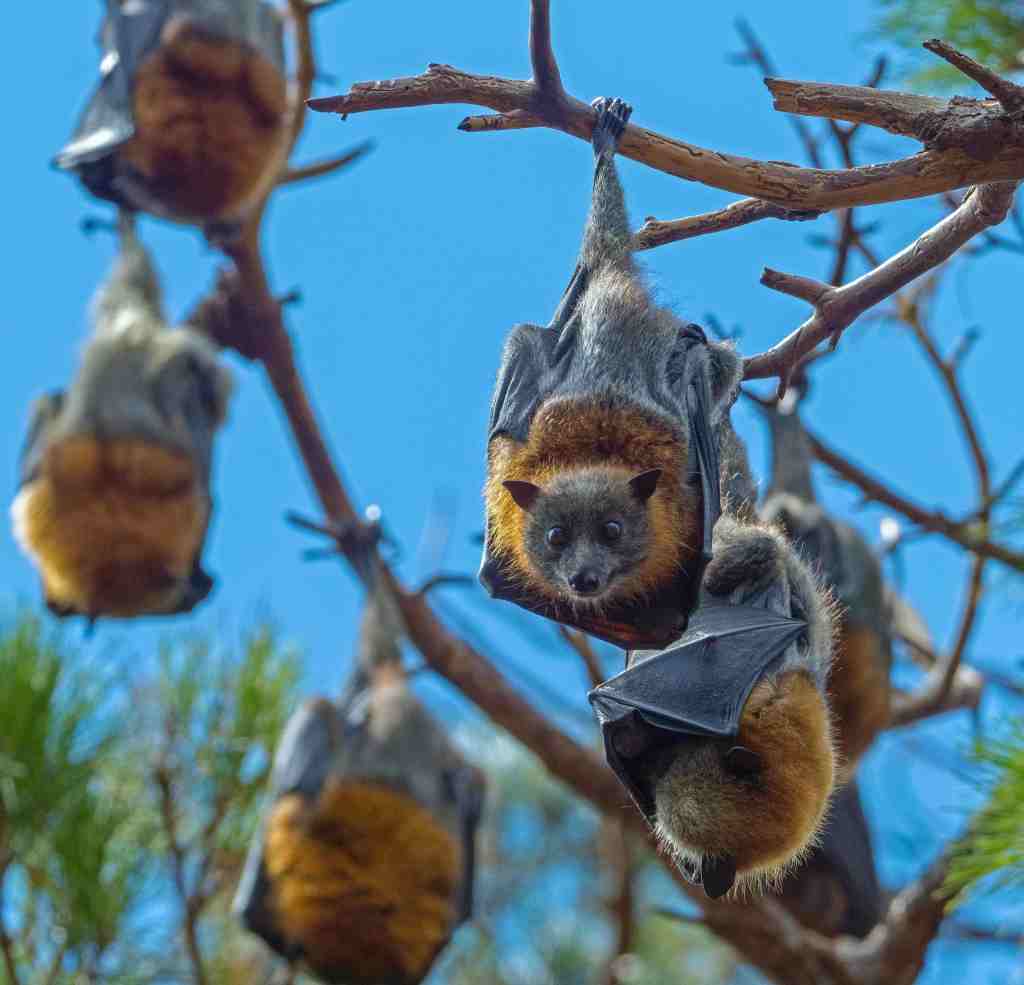
Finding the signal in the noise: How machine learning can help us perceive, understand, and protect other species
Sara Keen, Senior Researcher, Behavioral Ecology and AI reflects on how machine learning can help us find the signals in the noise and decipher meaning from the world of invisible information that surrounds us.
-
ESP Technical Roadmap
We provide an overview of ESP’s technical roadmap – offering a path forward for our proposed and ongoing scientific work, which is focused on using AI to decode non-human animal communication.
-

Using AI to Listen to All of Earth’s Species: New insights from the field
Jane Lawton, Director of Strategic Impact, reflects on the insights shared by Dr. Karen Bakker, Dr. Ari Friedlaender and Aza Raskin at ESP’s panel discussion on interspecies communication in San Francisco – from how sophisticated the communication systems of other species are, to the explosion of new bioacoustic technologies and AI that see us on…